Sewage Backup Cleanup Cedar Park TX: Health Risks & Protocol
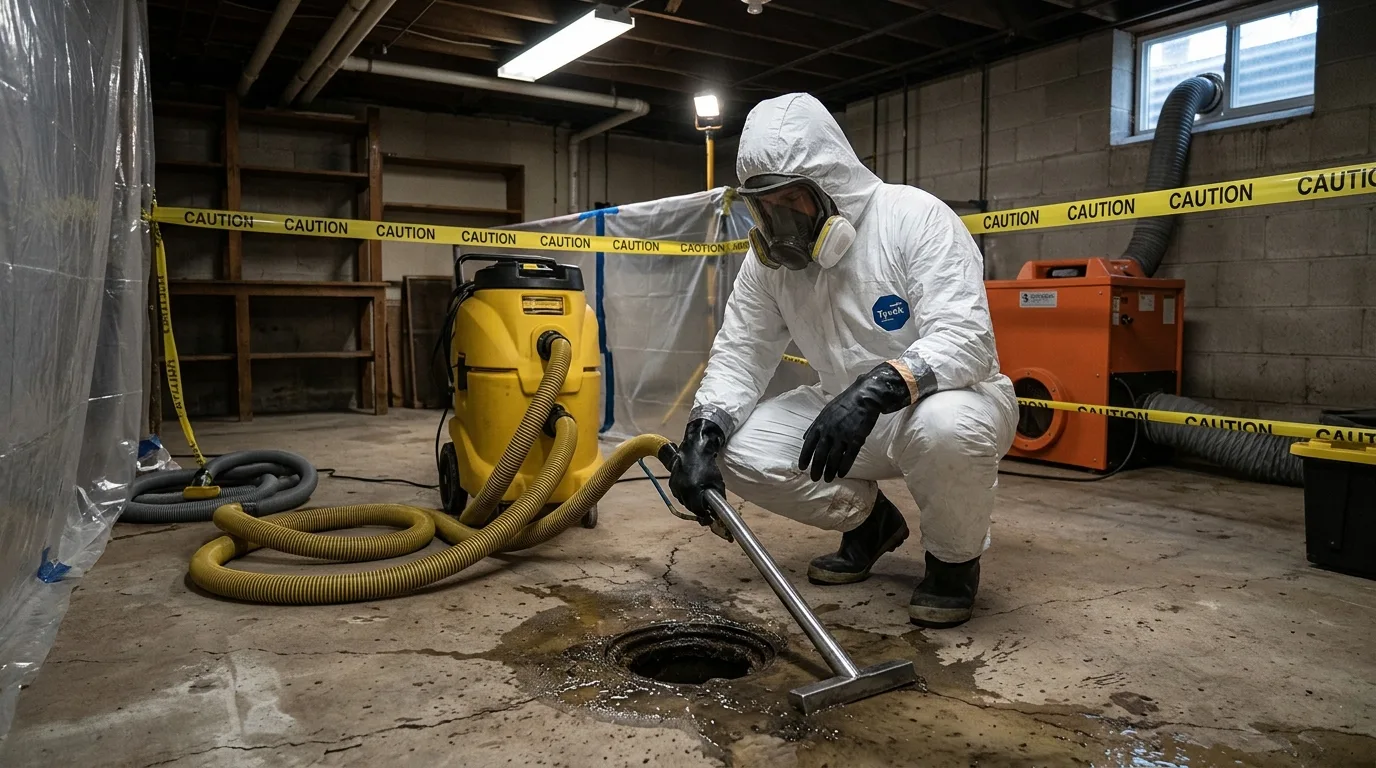
A sewage backup is one of the most alarming water events a Cedar Park homeowner can face — and one of the most dangerous to clean up improperly. Unlike clean water from a burst supply line, sewage water is classified as Category 3 black water by the IICRC, meaning it contains bacteria, viruses, and parasites at concentrations that cause serious illness. Cedar Park’s warm spring and summer temperatures accelerate bacterial growth in sewage-contaminated materials, meaning the health risk escalates within hours of the backup event.
In this post, we cover the specific health risks of sewage backup water, the proper cleanup protocol required for Category 3 events, and what Cedar Park homeowners should and should not do while waiting for professional help.
Sewage Backup in Cedar Park? Call Immediately
24/7 biohazard sewage cleanup dispatch — (877) 698-1311. Don't attempt cleanup without proper equipment.
Why Sewage Backup Is a Health Emergency in Cedar Park
The IICRC classifies sewage as Category 3 water — the most dangerous category — because it contains active pathogenic organisms including E. coli, Salmonella, Hepatitis A virus, norovirus, and parasites including Giardia and Cryptosporidium. Contact with sewage water through skin, mucous membranes, or inhalation of aerosolized droplets can cause gastrointestinal illness, respiratory infection, and in immunocompromised individuals, severe systemic infection.
In Cedar Park’s warm climate, the bacterial growth timeline is compressed compared to cooler regions. Surfaces that appear dry within 12–18 hours of a sewage backup can still harbor dangerous pathogen concentrations on any porous material — drywall, wood flooring, subfloor, carpet, and fabric. Bleach-based cleaning — the common DIY response to sewage backup — does not effectively decontaminate porous materials because it cannot penetrate the surface layer where pathogens have been absorbed.
The Ranch at Brushy Creek and similar Cedar Park neighborhoods with older sewer lateral connections to the municipal system see recurring sewage backup calls during spring storm season, when municipal sewer systems become surcharge with stormwater infiltration and backpressure propagates into connected homes. Williamson County’s older sewer infrastructure — particularly in sections of Cedar Park developed before the 2000s — is a recurring source of stormwater-induced backup events.
Types of Sewage Backup Events
Main line blockage: Tree root intrusion, grease accumulation, or foreign object blockage in the property’s sewer lateral causes sewage to back up through floor drains and toilets. The most common cause of residential sewage backup in Cedar Park.
Municipal system surcharge: During major Flash Flood Alley storm events, stormwater infiltration into Williamson County’s sewer system causes system-wide pressure that forces sewage back into homes — affecting multiple properties simultaneously.
Lift station failure: Sewer pump failures during power outages cause sewage to back up throughout the affected service area — common during extended storm-related power outages in Cedar Park.
Septic system saturation: Properties with private septic systems — primarily in outlying Williamson County areas — experience backup when drain fields become saturated and cannot accept additional effluent.
Practical Immediate Response for Cedar Park Homeowners
- Vacate the affected area immediately: Do not allow children, elderly individuals, or anyone immunocompromised to enter sewage-affected areas for any reason
- Do not operate HVAC: Running air conditioning distributes aerosolized sewage particles through ductwork to unaffected rooms — turn HVAC off until cleanup is complete
- Turn off water to the building: Prevents additional waste water from entering the system until the blockage is cleared
- Do not attempt cleanup with household products: Bleach, enzyme cleaners, and consumer disinfectants do not meet the decontamination standard for Category 3 water on porous materials
- Call for professional cleanup and document everything: Photograph all affected areas extensively before any cleanup begins — this documentation is critical for your insurance sewage backup claim
The Category 3 Biohazard Cleanup Protocol
Cedar Park Sewage Backup — Certified Biohazard Cleanup Team
We follow Category 3 protocols for complete, safe decontamination. Call (877) 698-1311.
Proper sewage backup cleanup in Cedar Park requires containment-first protocol identical to mold remediation. Polyethylene containment barriers isolate the work area, and negative-pressure HEPA-filtered air machines run throughout the cleanup to prevent aerosolized particles from traveling to unaffected rooms. Technicians wear full biohazard PPE including P-100 respirators, Tyvek suits, double-gloved nitrile gloves, and boot covers.
Material removal scope in Cedar Park sewage cleanup events is broader than many homeowners expect. All porous materials — drywall, insulation, carpet, padding, and unfinished wood — that have been contacted by Category 3 water must be removed and disposed of as biohazard waste. This includes materials that appear visually dry after the sewage has receded, because pathogen contamination is present regardless of moisture level. The IICRC standard does not permit cleaning porous materials contacted by Category 3 water in place.
After removal, all salvageable structural materials — concrete slab, metal framing, treated lumber — are treated with EPA-registered antimicrobial agents appropriate for Category 3 biohazard cleanup. This is followed by structural drying with air movers and dehumidifiers. Post-cleanup verification testing by an independent party is recommended for any significant sewage event to confirm decontamination is complete before reconstruction begins.
Cost of Sewage Backup Cleanup in Cedar Park
Sewage backup cleanup in Cedar Park ranges from $2,000–$3,500 for contained single-bathroom events to $5,000–$10,000+ for multi-room flooding involving Category 3 water. The cost premium over standard water damage restoration reflects the biohazard protocol requirements: specialized equipment, enhanced PPE, expanded material removal scope, and biohazard waste disposal that adds cost per cubic yard of removed material.
Most homeowner insurance policies include sewage backup coverage as an endorsement — not as standard coverage. Review your policy specifically for sewage backup language. If you have this endorsement, the cleanup and reconstruction are typically fully covered after your deductible. If you don’t have the endorsement, adding it before the next storm season is a strong recommendation given Cedar Park’s recurring sewer surcharge events during Flash Flood Alley storms.
Frequently Asked Questions
Is sewage backup water dangerous even after it dries in Cedar Park?
Yes. Sewage water deposits bacterial and viral contamination into porous materials during contact, and those pathogens remain viable after the surface dries. Cedar Park’s warm temperatures actually preserve bacterial viability on contaminated surfaces. Visual dryness after a sewage event does not indicate decontamination — it indicates that water has evaporated while leaving pathogen contamination behind. All porous materials contacted by sewage require removal and replacement, regardless of their apparent moisture condition at time of cleanup.
Can I clean up sewage backup myself in Cedar Park?
We strongly advise against it. Without proper PPE, containment barriers, and EPA-registered biohazard disinfectants, DIY sewage cleanup in Cedar Park typically results in incomplete decontamination, exposure risk to household members, and potential spread of contamination to unaffected areas. The cost savings of DIY cleanup are generally eliminated by the remediation required when the incomplete initial cleanup is discovered — often through recurring odor or subsequent bacterial testing.
How do I prevent sewage backups in my Cedar Park home?
The most common prevention measure is annual sewer lateral inspection with a drain camera to identify tree root intrusion before it causes a blockage. Roots from cedar, live oak, and other Central Texas trees are aggressive and commonly penetrate sewer lateral joints within 10–15 years of installation in established Williamson County neighborhoods. Having a licensed plumber inspect and clean the lateral annually is significantly less expensive than a sewage backup restoration project.
Related:
- Sewage cleanup in Cedar Park, TX
- Categories of water damage: what Cedar Park owners should know
- Burst pipes in Cedar Park during winter freezes
Cedar Park Sewage Backup Experts — 24/7 Response
IICRC-compliant Category 3 cleanup for Cedar Park and Williamson County. Call (877) 698-1311.