Slab Foundation Water Detection: Cedar Park TX Homeowners Guide
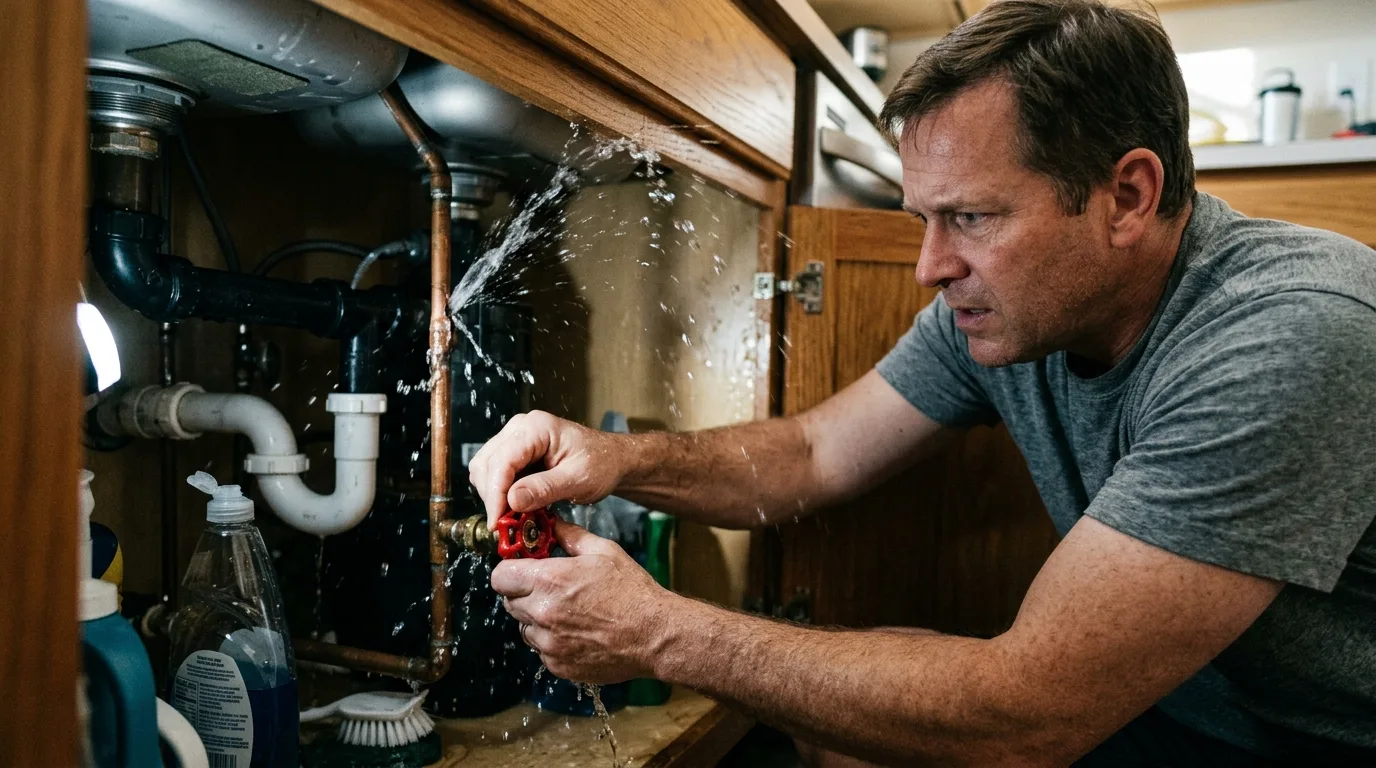
Most Cedar Park homeowners know what water damage looks like when it’s visible — a wet ceiling, standing water on the floor, or a musty smell in a closet. What they often miss is the water damage that’s happening beneath their feet. Cedar Park’s slab-on-grade foundations hide water intrusion from view until it has been present long enough to cause structural damage, mold growth, or flooring failure — by which point the remediation scope is substantially larger than if it had been caught early.
In this post, we cover the signs of sub-slab water intrusion specific to Cedar Park homes, how slab leak detection works, and what happens when a slab foundation moisture problem is discovered and needs professional restoration.
Suspect Sub-Slab Moisture in Your Cedar Park Home?
Thermal imaging and moisture mapping can find it. Call (877) 698-1311 for a free assessment.
Why Slab Foundation Water Detection Matters in Cedar Park
Cedar Park’s near-universal slab-on-grade construction means that the vast majority of homes in Williamson County are built with no crawl space — the living space floor sits directly on a concrete slab poured over compacted soil. This construction method has structural advantages in Texas’s clay soil environment, but it creates a specific water damage blind spot: moisture that enters beneath the slab, or that originates from pressurized supply lines running through the slab, can be present for weeks or months before any visual evidence appears at the surface.
By the time homeowners notice musty odors, buckled flooring, or damp spots near exterior walls in Twin Creeks or other Cedar Park neighborhoods, sub-slab moisture has often been present long enough to begin supporting mold growth in the space between the concrete and the floor covering above it. This hidden environment is warm, dark, and protected from drying airflow — ideal conditions for mold colonization that a standard visual inspection will never find.
The combination of Cedar Park’s Flash Flood Alley storm events, which saturate the surrounding soil and push moisture upward through slab cracks, and the city’s aging supply line infrastructure — many properties have copper or CPVC supply lines running beneath the slab that are now 20–30 years old — makes sub-slab water detection a practical necessity for Cedar Park homeowners, not a theoretical concern.
Types of Sub-Slab Water Intrusion
Slab leak from supply line: Pressurized supply pipes routed beneath the slab develop pinhole leaks or joint failures. Water flows under pressure into the sub-slab soil until it saturates the surrounding area and begins wicking upward through the concrete.
Exterior soil moisture migration: During saturation events — Cedar Park flash floods or extended heavy rain — fully saturated Taylor Black Clay surrounding the slab has nowhere to release moisture except upward through the concrete. This produces damp spots in floors with no visible supply line leak.
Foundation perimeter crack intrusion: Clay movement creates hairline cracks at the slab perimeter edge. During storm events, storm water channels through these gaps and collects beneath the slab rather than on the surface.
Condensation accumulation: In Cedar Park’s humid spring conditions, temperature differentials between the slab and the air above can produce condensation on the slab surface — distinguishable from leak moisture by its correlation with humidity rather than with storm events.
Practical Signs of Sub-Slab Water in Cedar Park Homes
- Warm or hot spots on tile floors: supply line leaks beneath the slab can produce localized warm spots on tile floors due to pressurized hot water contact with the concrete
- Musty odor with no visible mold: sub-slab mold growing beneath flooring produces odor that rises through flooring gaps without visible surface growth
- Water meter spinning with all fixtures off: the utility meter test — read the meter, wait 15 minutes with all water off, re-read — identifies active supply line leaks beneath the slab
- Sudden increase in water bills: a supply line leak losing water beneath the slab will produce a measurable increase in water consumption on your Cedar Park utility bill
- Flooring buckling or doming: hardwood, laminate, and tile floors that dome upward in a localized area have moisture beneath them expanding the material — either from above or from below the slab
- Damp baseboard sections in dry weather: damp baseboards that appear after dry periods (not correlated with rain or humidity) often indicate pressurized supply line moisture migrating upward through the slab
How Professional Slab Leak Detection Works
Cedar Park Slab Leak Moisture? Get a Professional Assessment
We find sub-slab moisture with thermal imaging and moisture probes. Call (877) 698-1311.
Professional slab leak detection in Cedar Park uses several non-destructive methods before any drilling or demolition begins. Thermal imaging cameras detect temperature differentials at the slab surface that indicate underlying moisture or pressurized line leaks — hot water line leaks produce distinct thermal signatures on the floor surface that are visible even through tile. Acoustic leak detection equipment listens for the pressurized water sound of an active supply line leak through the slab material.
Moisture meters provide quantitative readings at the slab surface and through flooring — readings above dry standard (IICRC defines specific moisture content targets for concrete and wood) confirm moisture is present. If thermal imaging and moisture meters indicate sub-slab moisture, restoration involves drilling small access ports (typically 3/4 inch diameter) at strategic points to allow desiccant dehumidification equipment to be placed beneath the slab.
Sub-slab drying in Cedar Park typically takes 2–4 days longer than equivalent above-slab drying because the enclosed space beneath the slab has limited airflow. Daily sub-slab moisture probe readings confirm progress, and the access ports are filled after the dry standard is confirmed.
Cost of Slab Leak Detection and Sub-Slab Restoration
Slab leak detection in Cedar Park typically runs $150–$500 for a professional inspection including thermal imaging. If a supply line leak is confirmed, emergency plumbing repair may be required before restoration begins. The water damage restoration following a slab leak averages $3,062–$6,101 depending on how long the leak was active and how much moisture has migrated beneath and through the slab.
The cost differential between early-detected slab leaks and late-detected ones in Cedar Park is substantial. A slab leak caught within days of onset — perhaps from an alert homeowner monitoring water bills in the Buttercup Creek neighborhood — might require $1,500–$3,000 in drying and minimal material replacement. A slab leak detected 6–8 weeks after onset, after mold has colonized the sub-slab space and begun affecting flooring from below, can require $8,000–$15,000 in combined drying, mold remediation, and flooring replacement.
Frequently Asked Questions
How do I know if I have a slab leak in my Cedar Park home?
Run the water meter test: locate your meter (typically near the street), read the current reading, then ensure all water fixtures and appliances are off for 15–30 minutes. Re-read the meter. If the numbers have changed, water is flowing somewhere — likely from a supply line leak beneath your slab. Confirm with a licensed plumber and restoration professional. Thermal imaging during a free assessment can identify the likely leak location without cutting into the slab.
Can slab moisture cause mold under my Cedar Park floors?
Yes — the space between a concrete slab and flooring material (the “assembly”) is warm, dark, and humid enough to support rapid mold growth when moisture is present. Cedar Park’s warm climate means that sub-slab mold can colonize within 24–48 hours of saturation, and it grows in the enclosed assembly space without producing visible surface growth until the mold population is large enough to push through flooring gaps. Read our guide on mold remediation in Cedar Park for more detail.
Does homeowners insurance cover slab leak water damage in Cedar Park?
Most Texas homeowner policies cover sudden and accidental water damage from slab leaks — the key is documentation establishing that the failure was sudden rather than gradual. Many carriers have become more scrutinous of slab leak claims after the frequency of events in Central Texas increased. A restoration company that provides timestamped moisture documentation from the day of discovery supports the “sudden” classification. We provide this documentation as part of every Cedar Park restoration project.
Related:
- Cedar Park clay soil makes water damage worse
- Water damage restoration Cedar Park: 2026 guide
- Does homeowners insurance cover water damage in Texas?
Sub-Slab Moisture Specialists in Cedar Park — Call Today
We find and fix water damage beneath Cedar Park slab foundations. Call (877) 698-1311 for thermal imaging and assessment.